⚠️ July 14, 2026 Note: Fireworks exceptionally moved to July 13. Bals des Pompiers cancelled. Military parade still July 14 morning. Jump to events
July 14 is La Fête Nationale – what the English-speaking world calls “Bastille Day,” though no French would use that term.
It’s France’s biggest summer celebration, and this year is particularly significant: Paris’s traditional fireworks display will take place on July 13 to honor the 10-year anniversary of the Nice attack.
Whether you’re watching the Military Parade along the Champs-Élysées, catching the fireworks from the Seine, dancing at a firemen’s ball, or escaping the crowds for a day in Versailles, this is one of the few moments when locals and visitors celebrate together. Here’s what’s happening in Paris and how to experience it like a local.
Last update: July 2026
Table of Contents:
- What to Do on Bastille Day in Paris 2026
- Practical Information (security, metro, road closures)
- France’s National Day: Historical Context
What to Do on Bastille Day in Paris 2026
Apart from the typical activities of any summer in Paris or any July in Paris, here’s the list of the best things to do on France’s National Day in Paris:
GOOD TO KNOW: During French National Day, there’s high security in Paris, so you may find some streets or metro exits closed by the police, especially around the Arc de Triomphe and the Eiffel Tower. If you have plans or a RDV, leave early to ensure you arrive at your destination on time.
1. Bal des Pompiers (on 13 July)
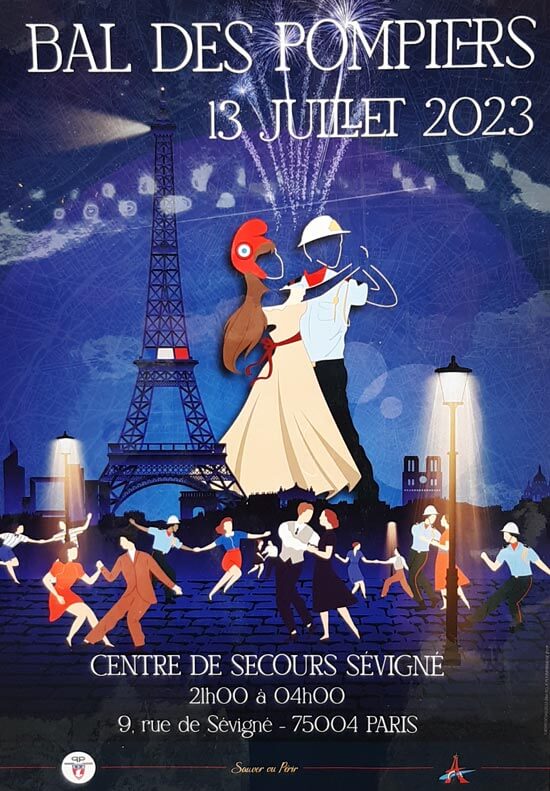
July 2026 update: bals cancelled, due to the heatwave and the high risk of fires.
The French National Day celebrations in Paris traditionally kick off with the Bal des Pompiers (Firefighters’ Ball) on the evening of 13 July. Held in around a dozen fire stations across the city, these lively parties run late into the night and are hosted by Paris firefighters themselves.
There is usually a small entrance fee, and drinks are sold separately, but the Bal des Pompiers is a uniquely Parisian experience. It’s a chance to mingle with locals, dance until the early hours, and yes – perhaps even meet a few charming French firefighters!
Proceeds from the evening help support the fire stations and improve facilities and welfare programs for firefighters.
List of Bals des Pompiers in Paris confirmed for July 13 this year:
Caserne Colombier: 11 Rue du Vieux-Colombier, 6th ArrondissementCaserne Blanche: 28 Rue Blanche, 9th ArrondissementCaserne Port Royal: 55 Boulevard de Port-Royal, 13th ArrondissementCaserne Grenelle: 6 Place Violet, 15th ArrondissementCentre de Secours de Dauphine, 16th ArrondissementCaserne Boursault: 27 Rue Boursault, 17th ArrondissementCaserne Bitche: 2 Place de Bitche, 19th ArrondissementCaserne Ménilmontant: 47 Rue Saint-Fargeau, 20th Arrondissement
2. Le Défilé (Military Parade)
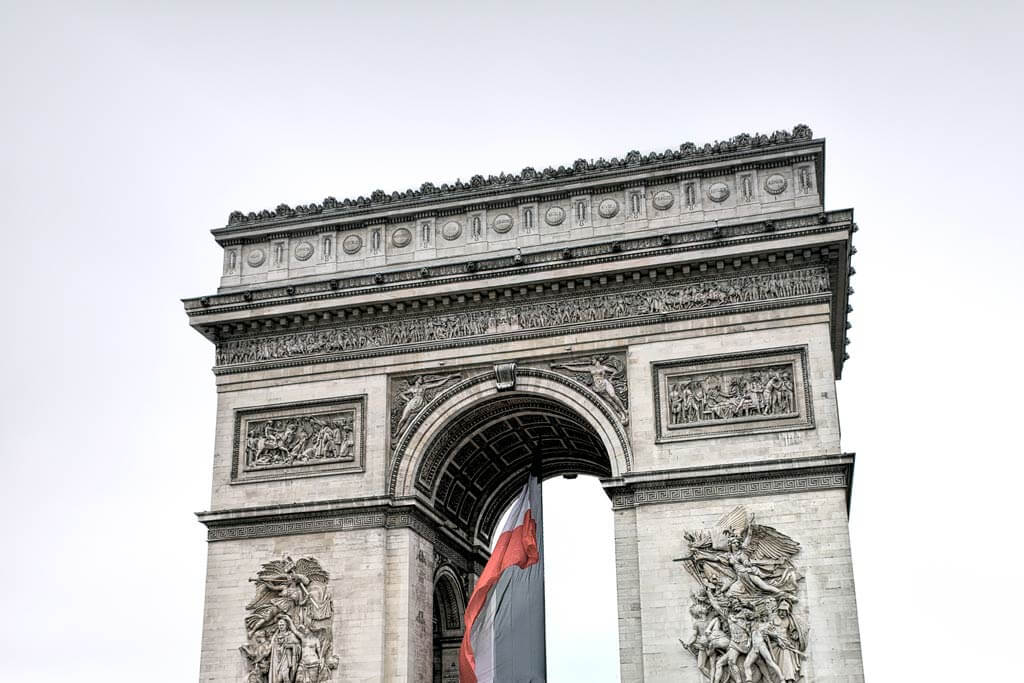
The Défilé (or military parade) along the Champs-Élysées is what tourists commonly refer to as the “Bastille Day Parade.” The Défilé is the main official event during France’s National Day, a traditional parade that honors the French military regiments. It is also a great opportunity to see the French President as he walks down the Champs-Élysées.
The military parade usually starts at 10 a.m. For two hours, spectators will see 4,300 soldiers on foot, 71 planes, 25 helicopters, 221 vehicles, and 200 Republican Guard horses.
This year 2026, the Défilé will be dedicated to Ukraine. The centerpiece of the air show will be two Mirage 2000 fighter jets flown by French-Ukrainian crews. One of the aircraft will be painted in the yellow and blue colors of the Ukrainian flag. Both planes will fly over Paris immediately after the Patrouille de France (France’s elite aerobatic team), in front of hundreds of thousands of spectators.
At the end of the parade, several activities will be offered to locals and visitors on the Esplanade des Invalides and other places in the capital.
The Défilé is a very popular event, so if you want to watch it live, try to arrive around 8 a.m. to find a good spot.
Curious About the Military Parade? Watch a Replay from a Previous Year
3. Concert – Eiffel Tower Fireworks (Moved to July 13)
The tenth anniversary of the Nice terrorist attack will be commemorated on 14 July 2026. To allow these remembrance ceremonies to take place with the appropriate solemnity, the City of Paris, in coordination with the President of the Republic, has decided to move the traditional National Day fireworks display at the Champ de Mars to the evening of 13 July. This change in schedule will not impact this major public celebration.
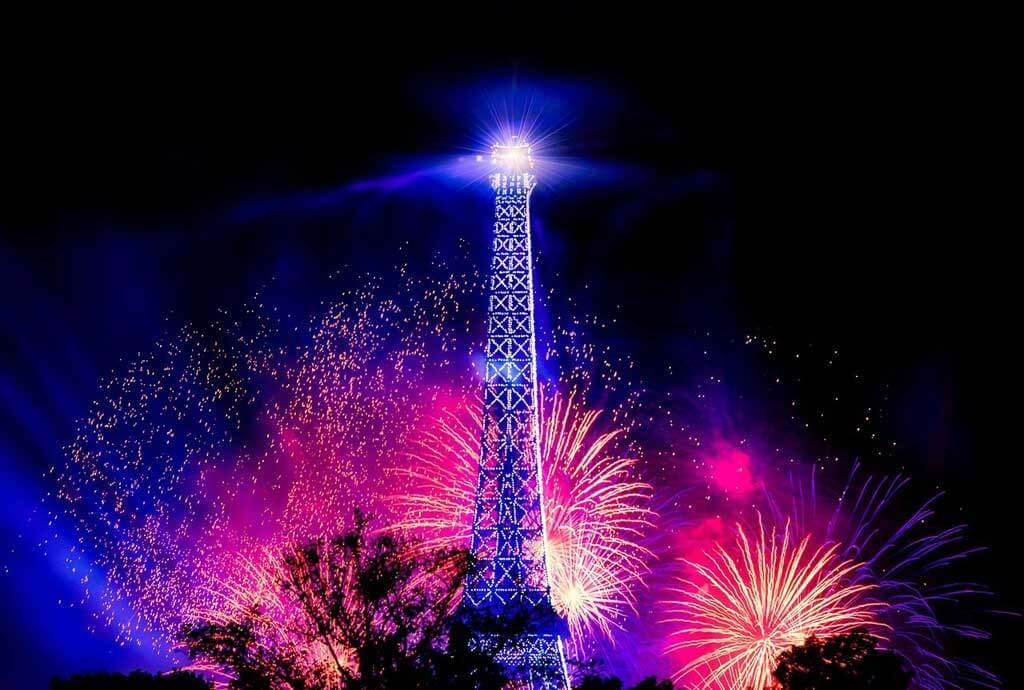
The Eiffel Tower Fireworks is the main event in Paris to celebrate 14 July – France’s National Day. The fireworks display takes place around the Eiffel Tower after dusk (11 p.m.) and is always spectacular.
The 30-minute show usually revolves around a specific topic. This year, France is commemorating the 400th anniversary of the Marine nationale (French Navy), and there will also be a tribute to Rome and to the historical and cultural ties that unite the two capitals.
Before the fireworks, there’s a (free) particularly original concert on Champ de Mars, at the foot of the Eiffel Tower. This concert usually begins at 9 p.m.
The most popular place to watch the Eiffel Tower Fireworks is on Champ de Mars. Needless to say, it is also the most crowded, and finding a free spot of grass is quite challenging. Here are some other great places to watch the Eiffel Tower fireworks on 13 July.
Curious About the Eiffel Tower Fireworks? Watch a Replay from a Previous Year
4. An Unforgettable Seine River Dinner Cruise
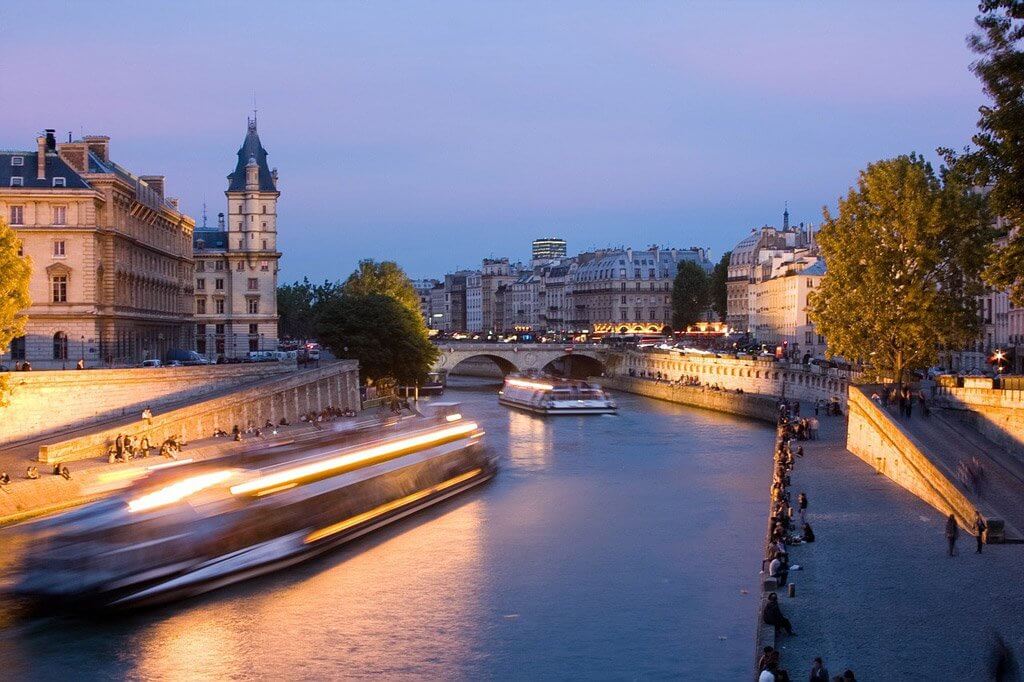
A dinner cruise along the Seine River is a unique way to admire the Eiffel Tower fireworks while avoiding the crowds on shore. Many Seine River Cruises offer dining options, but special National Day dinner cruises (4 hours) are particularly festive, often featuring live music and timed around the fireworks display.
This year, the Bastille Day dinner cruises will exceptionally take place on 13 July.
-This Bastille Day Dinner Cruise by Le Diamant Bleu includes a 3-course French gastronomic meal, accompanied by water and a complimentary bottle of wine. After the meal, move up to the panoramic rooftop for live music while waiting for the fireworks to start! Boarding is in the 16th Arrondissement of Paris, opposite Île-aux-Cygnes
-This Bastille Day Special Dinner Cruise by Paris City Vision also looks very promising. This exclusive dinner cruise (3-meal course and apéritif) combines gourmet cuisine with breathtaking views of Paris illuminated for France’s national celebration. Boarding is in the 7th Arrondissement of Paris, at the foot of Orsay Museum. Paris City Vision also offers a shorter dinner cruise (2 hours) also scheduled around the fireworks.
– Bateaux Mouches’s Bastille Day Dinner Cruise is a classic. Enjoy a cruise, a 4-course dinner, live music, and a fireworks display launched from the Eiffel Tower – all in a single evening! Boarding is in the 8th Arrondissement (Seine’s right bank), not far from Pont Alexandre iii
TIP: rent a private boat for partying and sailing along the Seine River (skipper mandatory).
5. French Revolution Tour
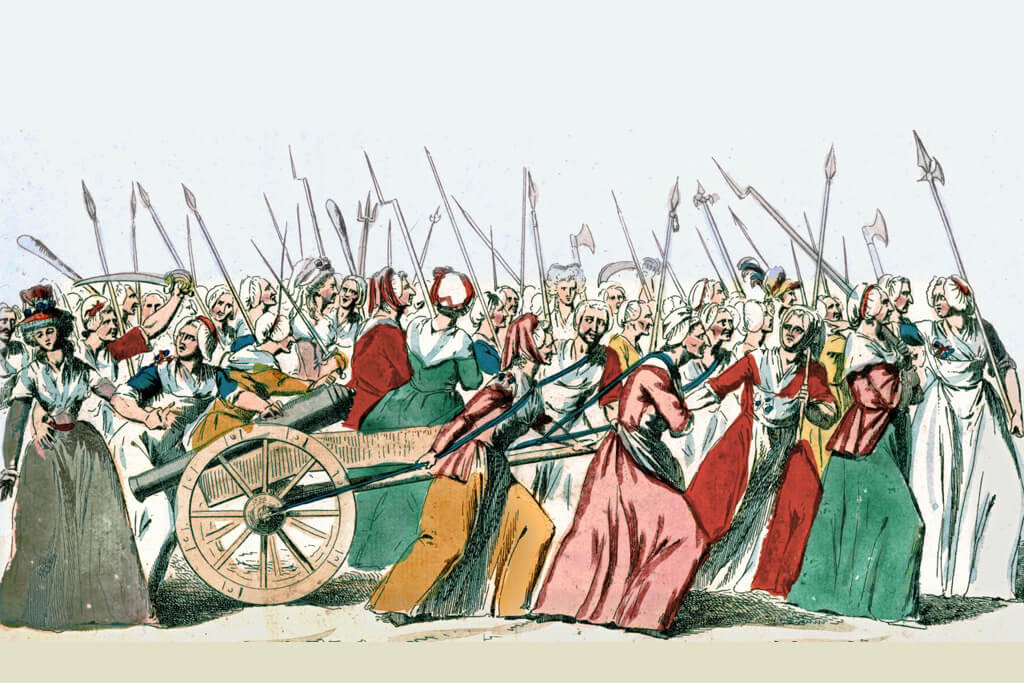
Learn about Paris during the French Revolution at your own pace with this free, self-guided French Revolution walking tour. This walking tour, map included, visits the main French Revolution sites in Paris, including Place de la Concorde, the Conciergerie, and the few remains of the Bastille prison.
If you prefer a deeper and more structured experience, several guided French Revolution walking tours are also available in Paris. Led by knowledgeable local guides, these tours bring the events of 1789 and beyond to life, offering rich historical context and insights you might easily miss on your own.
6. Visit Versailles
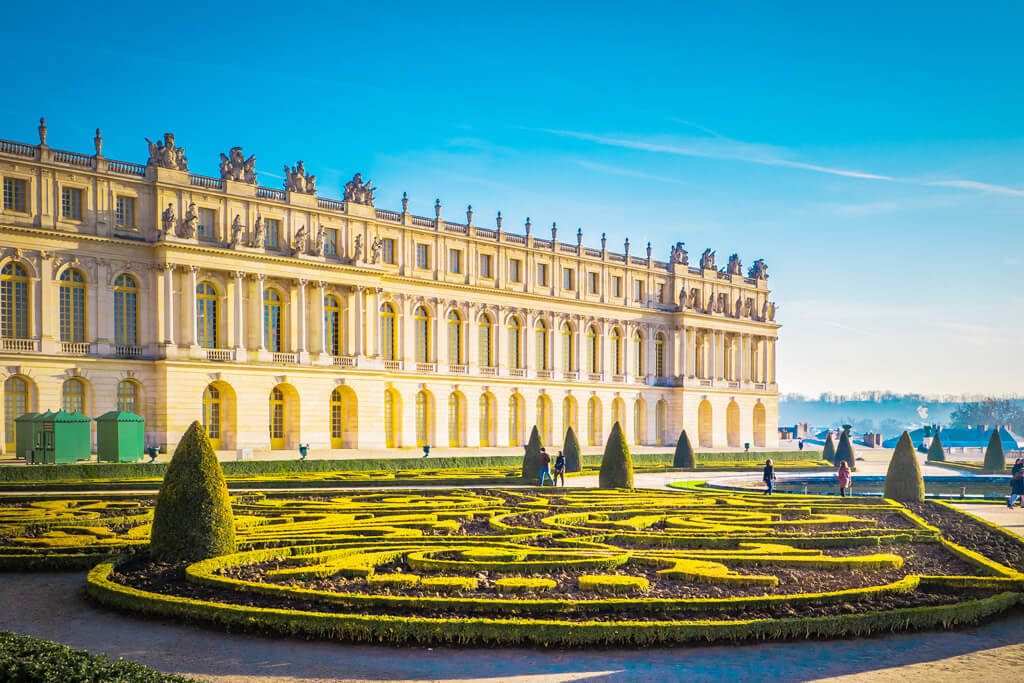
Why not spend the French National Day outside Paris? Admire the impressive Palace of Versailles, home to King Louis XVI and Queen Marie-Antoinette during those turbulent times. With all those opulent interiors, it is easy to understand why the French were unhappy with their king!
On 14 July, you can also enjoy the Grandes Eaux Musicales – the special daytime show in the Gardens of Versailles, where the fountains of Versailles are set to music and brought fully to life. In the evening, the Grandes Eaux Nocturnes offers a spectacular night-time display featuring illuminated fountains and fireworks. Here’s how to plan the perfect day trip to Versailles from Paris.
7. Monuments & Museums Open on Bastille Day
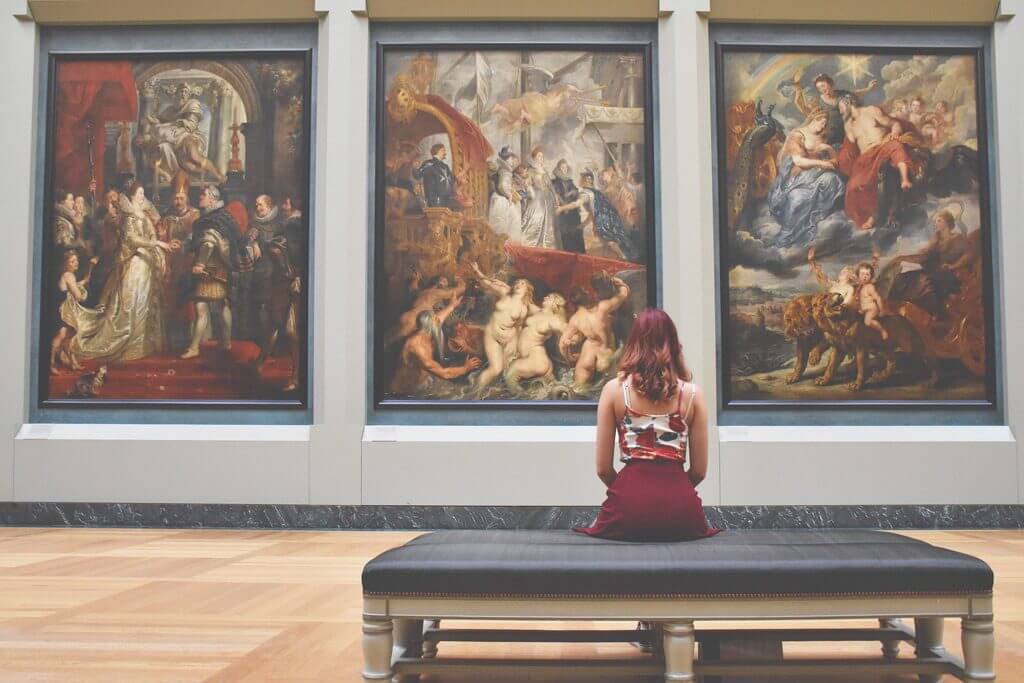
So, you were ready for a full day of sightseeing in Paris and just realized that July 14 is a public holiday in France? You will need to review your schedule, but don’t worry, as many monuments and museums are open on Bastille Day.
This year, 14 July 2026 falls on Tuesday
- Sacré Coeur of Montmartre
- Panthéon
- Conciergerie
- Louvre Museum (closed on Tuesdays)
- Montparnasse Tower
- Château de Vincennes
- Sainte Chapelle
- Catacombs of Paris (closed on Mondays)
- Musée Marmottan-Monet (closed on Mondays)
- Orsay Museum (closed on Mondays)
- Rodin Museum (closed on Mondays)
- Picasso Museum (closed on Mondays)
- Versailles (closed on Mondays)
- Opéra Garnier
- Musée Carnavalet (closed on Mondays)
Important: Due to the preparation work for the concert and fireworks, going up to the Eiffel Tower on July 13 is not possible. The Eiffel Tower will reopen its doors on July 14.
For bars and restaurants, stay in the central touristy neighborhoods of Paris. Establishments in lesser-visited districts of Paris tend to be closed on July 14.
World Cup 2026 Semi-Final Falling on 14 July 2026
14 July 2026 also coincides with the first semi-final of the 2026 FIFA World Cup, scheduled to take place in Dallas (kickoff time not published yet). If the French national team reaches this stage of the competition, the match could also lead to public gatherings of supporters in the evening.
14 July 2026: Practical Information
Paris Public Transport
Paris public transport operates with extended hours during France’s National Day celebrations:
Metro and RER:
- Extended service until 2:00 a.m.
- Additional trains on Lines 1, 6, and 9 (serving the main celebration areas)
- Free travel for military personnel in uniform
Security Measures
France’s National Day celebrations and the Eiffel Tower fireworks are always accompanied by significant security measures, traffic restrictions, road closures, and parking bans in central Paris. On 13 and 14 July, a large-scale security operation is implemented across Paris and the inner suburbs to ensure public safety and prevent disturbances.
While the official arrangements for 2026 have not yet been published, they are expected to be broadly similar to previous years. Keep clicking for the last updates!
Prohibited Items
- Large backpacks and travel bags
- Glass containers and bottles
- Professional photography equipment (without accreditation)
- Alcoholic beverages
- Sharp objects and tools
- Drones and remote-controlled devices
Traffic restrictions
- Motor vehicles are restricted in parts of the 7th, 8th, 15th, and 16th arrondissements
- Traffic flow is modified on the Voie Georges Pompidou (16th arrondissement), in the direction Province → Paris
Metro station closures (daytime)
- Line 1: Tuileries, Argentine, George V
- Lines 1, 8 and 12: Concorde
- Lines 1 and 13: Champs-Élysées – Clemenceau
- Lines 1 and 9: Franklin D. Roosevelt
- RER A, Lines 1, 2 and 6: Charles de Gaulle – Étoile
- Line 6: service suspended between Charles de Gaulle – Étoile and Trocadéro
Metro station closures from 7 p.m.
- Line 6: Bir-Hakeim, Passy, Dupleix, Boissière
- Lines 6 and 9: Trocadéro
- Line 8: École Militaire
- Line 9: Alma – Marceau
France’s National Day: Historical Context by a Local
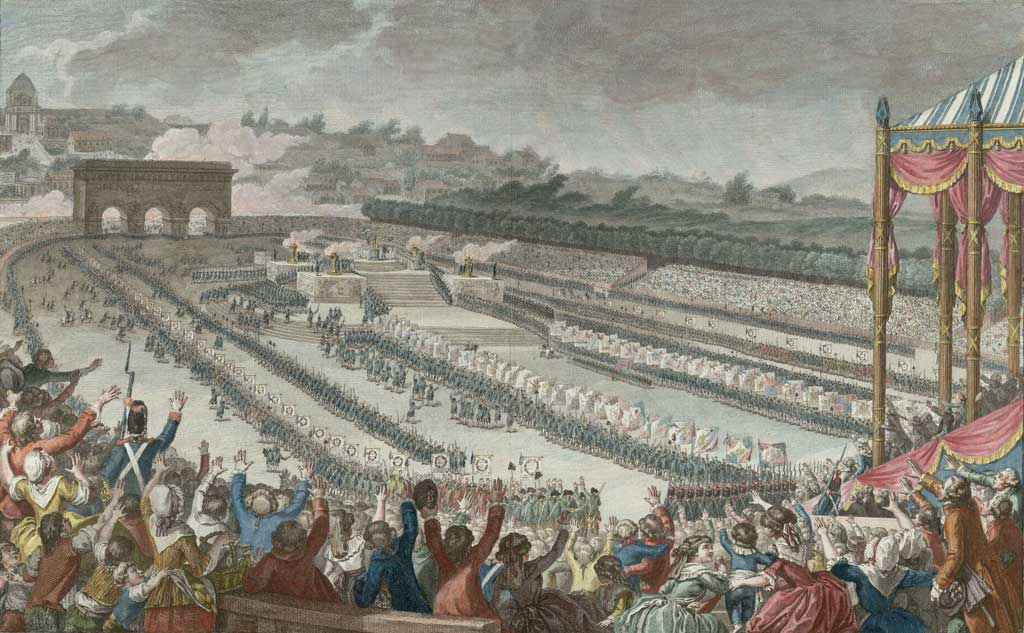
What Does France’s National Day Celebrate?
The short answer is: it’s deliberately ambiguous.
France’s National Day was established by the Raspail Law of 6 July 1880, which simply designated “14 July” as the national holiday without specifying which historical event it commemorates.
Two important events in French history took place on 14 July:
- The Storming of the Bastille in 1789, a defining moment of the French Revolution.
- The Fête de la Fédération in 1790, a celebration of national unity held one year later on the Champ de Mars.
By referring only to “14 July,” lawmakers were able to honor both the revolutionary spirit of 1789 and the national reconciliation symbolized by the Fête de la Fédération.
Bastille Day vs. 14 July
“Bastille Day” is the term commonly used in English-speaking countries to refer to 14 July, France’s National Day.
In France, however, almost nobody uses the expression “Bastille Day.” If you ask a French friend what they are doing for Bastille Day, you may well be met with a puzzled look: “C’est quoi, le Bastille Day ?” Likewise, wishing someone a “Happy Bastille Day!” would sound rather odd to French ears.
I have even come across the term “France’s Independence Day,” perhaps as an attempt to find an equivalent to the American holiday. But France does not have an Independence Day, and 14 July is not celebrated in the same way.
In France, the holiday is simply called La Fête Nationale or Le 14 Juillet (14 July). When it creates a long weekend, people may also talk about le pont du 14 Juillet – the bridge day that allows for an extra day off and a longer break.
For most French people, 14 July is not a family celebration on the scale of Christmas or Easter. It is, however, an important public holiday. For some, it marks the beginning of the summer holidays; for others (myself included), it is the perfect excuse for a long weekend getaway while waiting for the main summer break.
So, if you visit France on 14 July expecting to find everyone wearing berets and striped shirts, waving French flags, and singing La Marseillaise on every street corner, you may be disappointed. The reality is much more relaxed – and, in many ways, much more French.
The French Flag
In France, the use of the French flag differs from that in the US or the UK. On July 14, you won’t see French flags in our gardens or on our balconies. We won’t be buying objects with the colors of the French flag either.
We (the French) have great respect for our flag, but we don’t overuse it. You will see the French Flag in all official places and at sports events to support our national team, but you will never see it on our t-shirts, caps, or decoration objects.
Also, some people see putting out too many French flags as a sign of far right.