This is a fun, lighthearted guest post from Sage, an American who lived in Europe for several years, and she has a funny, honest take on what surprises American visitors.
If you’re traveling to Paris as an American for the first time, you’re in for surprises – the hotel quirks, the culture clashes, the practical stuff nobody mentions, the things that make you laugh (or cringe).
If you’re an American heading to Paris for the first time, here’s what you actually need to know before you go, told with humor and real experience.
A Guest Post by Sage from Everyday Wanderer. Last update: August 2026
Table of contents:
- The Big Culture Shock: What Nobody Warns You About
- French Hotels: The Quirks That Will Confuse You
- Fashion in Paris: Where Americans Get It Wrong (And How to Fix It)
- Getting Around & Experiencing Paris: Metro, Taxis & Not Looking Completely Lost
- Food & Wine Culture: Beyond What You Expected
- The Money Thing: Euros, Cards & The Conversion Confusion
- Random Stuff That Will Surprise You
- Coming Home

The Big Culture Shock: What Nobody Warns You About
1- Do Your Homework
Americans are notoriously ignorant about the world outside of our borders. Rise above the reputation by knowing a few basics like the language spoken (French), the currency (Euro), and that Paris is France’s capital city.
Before traveling to Paris from US, try to learn about French culture. Also, there are a lot of sites related to American history, such as the former Hotel d’York or the Picpus cemetery you may want to visit during your trip to Paris.


2- Research Local Holidays in Paris
While the French and Americans share holidays like Christmas and New Year’s Day, other holidays are unique to each country.
While Americans celebrate Independence Day on July 4th, that’s just another lovely summer day in Paris. But on July 14th, France’s National Day is an important holiday in France. Expect many businesses and venues to be closed on holidays in Paris so that the nation can celebrate with family and friends.
Fun Fact: Did you know that the key to the Bastille is on display here? Spoiler alert: it’s not in France.
3- Learn a Few Words en Français Before Visiting Paris for the First Time

Although English is widely spoken in Paris, knowing a few phrases in the local language will enhance your experience. From basic greetings to “Do you speak English?” here are nine phrases to know in French that Americans in Paris should learn when visiting Paris for the first time.
4- Take US Embassy Information with You
I believe that when you plan for the worst, it never happens. So take out a free insurance policy by carrying the address and phone number of the US Embassy in Paris with you at all times. In case of emergency, from a lost passport to a medical situation, they are ready and able to assist.
Tip: Don’t leave without travel insurance! SafetyWing Essential plan works well for long and short trips (from 5 days up). Can also cover electronics theft through their add-on.
5- Book Some Sightseeing Tickets in Advance

The last thing you want to do in Paris is arrive at one of your favorite attractions only to discover that the tickets or time slots you wanted are sold out.
Since COVID, many museums and attractions have introduced or maintained timed-entry systems to help manage crowds. For the most popular sights, the best time slots can sell out quickly, especially during the high season. So once your travel dates are confirmed, I recommend booking the most popular attractions as soon as tickets become available.
For a first trip to Paris, some of the attractions worth planning ahead for include the Eiffel Tower, where tickets typically open about 60 days in advance; Sainte-Chapelle, the Louvre Museum, where popular visiting times can fill up; and the Catacombs of Paris, where tickets can be reserved only 7 days in advance.
If you are planning to visit several museums and monuments, it is also worth checking whether the Paris Museum Pass can save you money. Keep in mind, however, that having a pass does not necessarily mean you can simply walk in: some attractions still require you to reserve a time slot in advance.
French Hotels: The Quirks That Will Confuse You
6- A Room for One
While Americans are used to hotel rooms that nearly always contain either a king or two queen-sized beds and enough bath towels for four people, accommodations in Paris are usually quite different. There is such a thing as a single room, and it’s what it sounds like: a room with a single bed and one bath towel. A room with a larger bed is typically two single beds pushed together.
7- The Key to Managing Electricity Costs
Many hotels in Paris require that you insert your plastic room key in a special slot near the door before any of the lights or electrical outlets will power on. When you leave the room and grab your key, the power outlets will often stop working. I learned this the hard way when I left my laptop charging while I went to grab breakfast, only to come back to a dead computer.
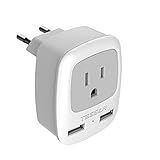
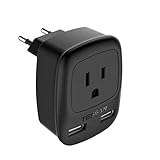

Pro Tip: Most hotels will give you a second room key upon request. So consider this option if you need to charge an item or two while you’re away from your room.
Travel smart, don’t let your hairdryer explode in Paris…



8- Stairway to Heaven
Like most large cities, Americans traveling to Paris need to expect everything to be more compact. From the cars you see on the road to the space in your hotel room.
Expect the elevators to be equally small. And by small, I mean that you and your bag may be all that fits in some elevators. Unless you are on a high floor, are lugging heavy suitcases, or have a physical condition that makes it difficult, use the stairs and leave the elevator open for other guests.
9- Ground Zero
While Americans consider the ground floor to be the first floor, Europeans consider the first floor above the ground floor to be the first floor. This helpful tidbit will help you find your hotel room or your Paris furnished apartment. And it will help you count how many more flights of stairs are ahead of you as you lug your suitcase upstairs in a building without an elevator.
Fashion in Paris: Where Americans Get It Wrong (And How to Fix It)
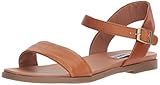
10- Bring Good Walking Shoes for Paris
One of the best ways to explore the cobblestone streets of St. Germain-des-Prés, the tree-lined Champs-Élysées, or the beautiful Jardin du Luxembourg, is on foot. Americans traveling to Paris should be sure to bring a comfortable pair of shoes before walking a daily marathon while visiting Paris for the first time.
Best Shoes for Paris in Spring – Summer


11- Snazz Up Your Suitcase
The French aren’t just known for their flaky croissants, colorful macarons, and exceptional wine. They’re also known for their fashion sense.
What to wear when traveling to Paris? Replace your comfy yoga pants with loose-fitting slacks and your sloppy sweats with a sundress so that you don’t stand out like a gauche tourist when traveling to Paris for the first time.
In terms of comfy footwear, opt for stylish flats, boots, or sandals instead of your broken-in and battered-up sneakers.
Check out these Paris Style Guides for Men and Women
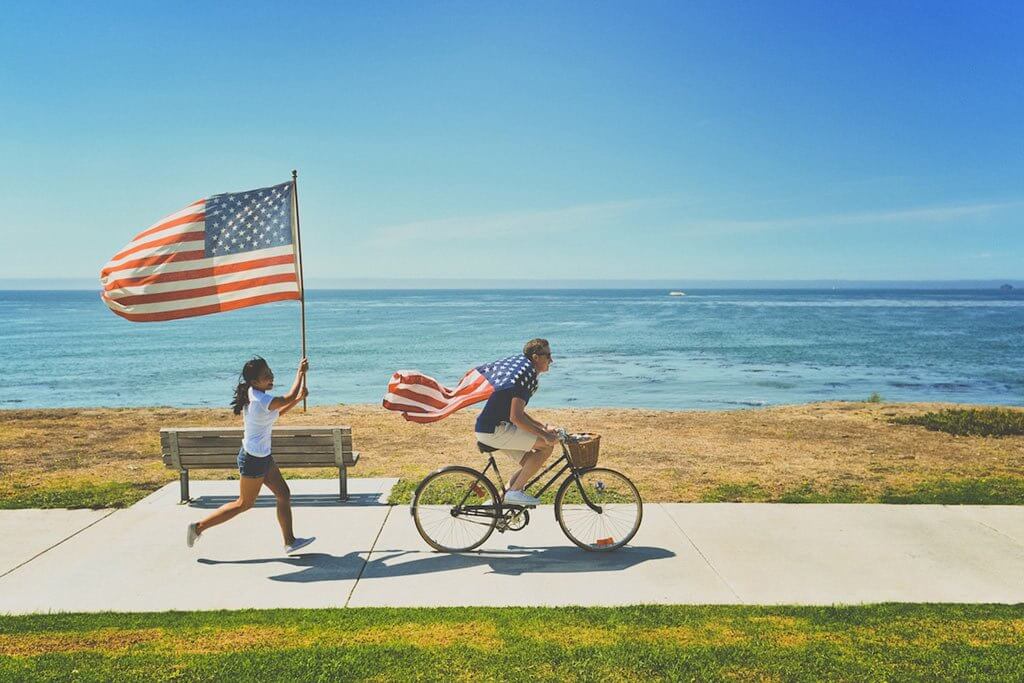
12- Leave Your Stars & Stripes Speedo at Home
If you are an American tourist in Paris, do your best to blend in rather than shine a bright spotlight on your nationality. Leave any clothing, suitcases, backpacks, or purses with the American flag on them at home. The same goes for anything sporting your favorite American sports team or college alma mater.
13- Sunday Best
Before you can gaze up at the colorful stained glass windows in Sainte-Chapelle or down at the brass gnomon embedded in the floor at Saint-Sulpice, you should be dressed appropriately.
Most cathedrals, churches, synagogues, and mosques expect visitors to have their shoulders and knees covered. If you are visiting Paris for the first time in the warmer summer months, wear a long, flowy skirt to cover your knees and carry a lightweight sweater with you to cover up any bare shoulders.
Getting Around & Experiencing Paris: Metro, Taxis & Not Looking Completely Lost
14- Take Advantage of Public Transportation in Paris

If at all possible, avoid driving when visiting Paris. The cars, roads, and parking posts are much smaller than in the US. The signs will be different than in the US and often in French.
From taxis to the Parisian Metro or the (oh so) trendy bikes in Paris, there are many more convenient (and less stressful) ways to get around Paris than driving. Well, as long as you don’t experience…
15- Transportation Strikes
Transportation strikes are not uncommon in Paris. While they are an absolute nuisance, the strikes are usually announced in advance and last a clearly defined period of time. Watch for upcoming strike announcements, and ask your hotel front desk for additional information and guidance.
During one of my visits to Paris, a transportation strike hit the day I was scheduled to fly home. The hotel staff knew how to contact an independent Vietnamese cab driver who wasn’t striking, and I was able to get to the airport without any trouble!
16- Be Mindful of Pickpockets in Paris
Just like you would in New York, Los Angeles, or any other major city around the world, be mindful of pickpockets when traveling to Paris for the first time.
Paris is a safe city, but you should be especially vigilant when exploring touristy areas, stopping to observe a street performer, and using mass transit. I recommend a small, cross-body bag for women or an anti-theft backpack in general.


Men, put your wallet in your front pocket. Split your cash and bank cards up, storing them in different pockets or bags. Do not walk around with your phone in your hand unless you’re using it at that moment to snap a photo or look something up.
I wish I didn’t know as many American friends and colleagues as I do who have had their cell phones, passports, or purses stolen by pickpockets in Paris. One seasoned American traveler friend’s instincts told her to wrap her arms around her cross-body purse when a small group of gypsies approached her by Notre Dame, tossing pieces of shredded paper in the air. It was only after another colleague shooed them away that she realized they had slipped her cell phone from her hand.
One of my Dutch colleagues had her phone lifted from a table at a sidewalk café while she was telling the others in her travel group about the importance of not leaving your phone on the table.
17- Typically Not a 24/7 World
While Americans from cities and towns of all sizes are fairly accustomed to extended hours at grocery stores, transportation counters, and pharmacies, this isn’t as common in Paris.
Many businesses may be closed on Sundays and for local holidays. During the week, many stores will close by 6 pm. Do your best to plan ahead and always double-check the posted hours when visiting Paris.
18- It’s Okay to Skip the Sights That Don’t Interest You

Growing up, my artist mother dragged me to every art museum in Europe. While I absolutely loved taking a day trip from Paris to Claude Monet’s home in Giverny and taking another day trip to explore Auvers-Sur-Oise, where Vincent Van Gogh lived, I don’t think twice about skipping the sections of the Louvre that don’t appeal to me. Nor do I think twice about skipping the Louvre completely in lieu of the Musée d’Orsay.
When it comes to your Paris itinerary, “you do you” when visiting the city.
Food & Wine Culture: Beyond What You Expected
19- Expect Mind-Blowingly Amazing Food

While it is possible to find a bad meal in Paris, it’s pretty hard. From a traditional French breakfast with a buttery croissant to a jambon-beurre sandwich at lunch, from a terrine of cassoulet to a burnt sugar-topped crème brûlée, there are so many amazing foods to try when visiting Paris.
To increase your chances of an amazing meal, eat at Parisian bistros, little crêperies, or other local places away from the main attractions. Research your options online, read reviews, or ask a local contact for recommendations.
Fun Fact: There are more types of French cheese than there are days in the year. Yum!
20- Request an English Menu
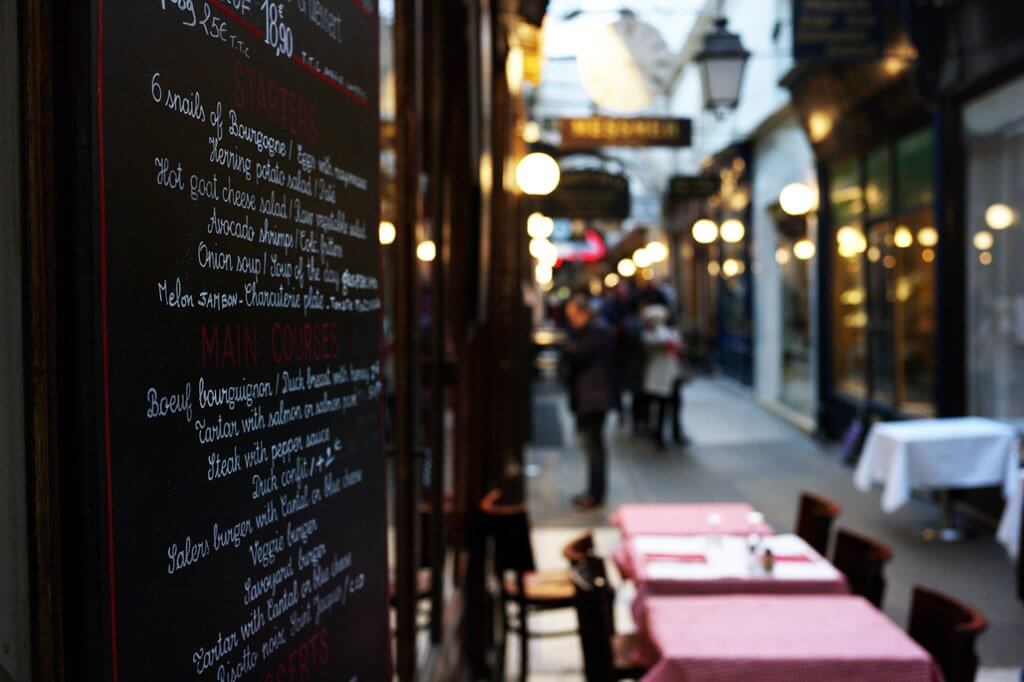
If one is not automatically offered to you, ask your server if they have an English menu. Most restaurants have a few available, and they are a helpful way to help you select your meal.
21- Washing It All Down
From water to beer, drinks in Paris are typically served without ice and at warmer temperatures than Americans expect at home.
Another drinkable difference is the concept of unlimited refills. This is very much an American phenomenon and not something you should expect if you are traveling to Paris from US.
I’ve read several theories about why there aren’t unlimited refills. One potential reason is that drinks in Paris are served from glass bottles rather than the huge fountain dispensers common in the US. Another potential reason is that the cost of using real sugar in soft drinks is more expensive than the high-fructose corn syrup consumed by the gallons in America. Either way, expect to be charged several Euros for a small bottle of soda in Paris (but water in Paris is safe to drink, and it’s totally free) and enjoy the quality of real sugar over the quantity of a Big Gulp.
22- Dinner is an Experience
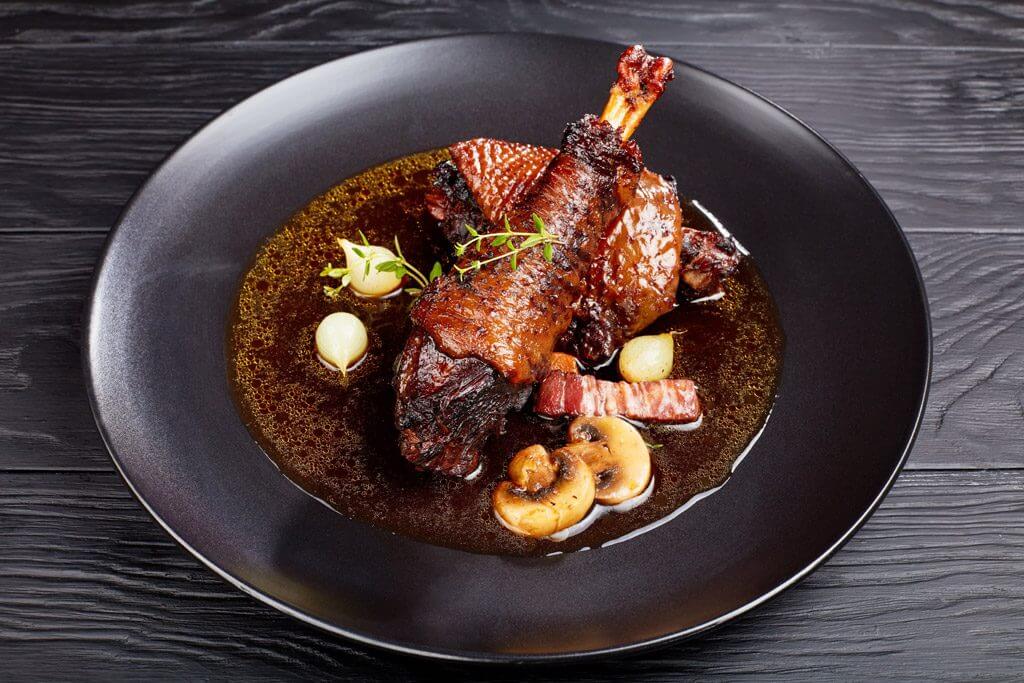
Set aside plenty of time for dinner in Paris. It is a delicious experience that should be savored and not rushed. Additionally, expect dinner to be much later than the typical American 6 pm or 7 pm dinner time.
In Paris, most people eat dinner closer to 8 pm. And it can be even later in the summer months when the sun doesn’t set until well after 10 pm.
23- Holler If You Need Anything
Because meals in Paris are social occasions, servers will not interrupt you every five minutes to ask if everything is okay. If you need something, simply make eye contact with your server or raise your hand to signal that you need something. It is rude to raise your voice or snap your fingers.
Most servers will also wait for your signal to bring the check. Earn bonus points by learning how to properly request the tab in French (l’addition, s’il-vous-plaît)!
24- A Tip About Tipping in Paris
While we tip a minimum of 15% at full-service restaurants in the US – in part to fully compensate wait staff who receive lower hourly wages – tipping is much less expected in Paris.
The wait staff at restaurants in Paris are fully compensated for their work, and the service is included in the prices listed on the bill. However, if you want to add a small tip for excellent service, it is appreciated by your server. Here are some tips for tipping in Paris.
Whether paying in cash or by card, your server will typically want to know what you’d like the total charge to be at the time of payment. If your bill is €22 and you want to add a €3 tip, simply tell the waiter €25 when you hand him your card or cash.
Local Tip: Because Parisian waiters and waitresses know that American tourists in Paris tend to be generous tippers, it’s not uncommon for them to seat them at their best tables and take extra care of them. So keep this in mind when deciding whether or not to leave a tip.
The Money Thing: Euros, Cards & The Conversion Confusion
25- Always Pay in Euros When Visiting Paris
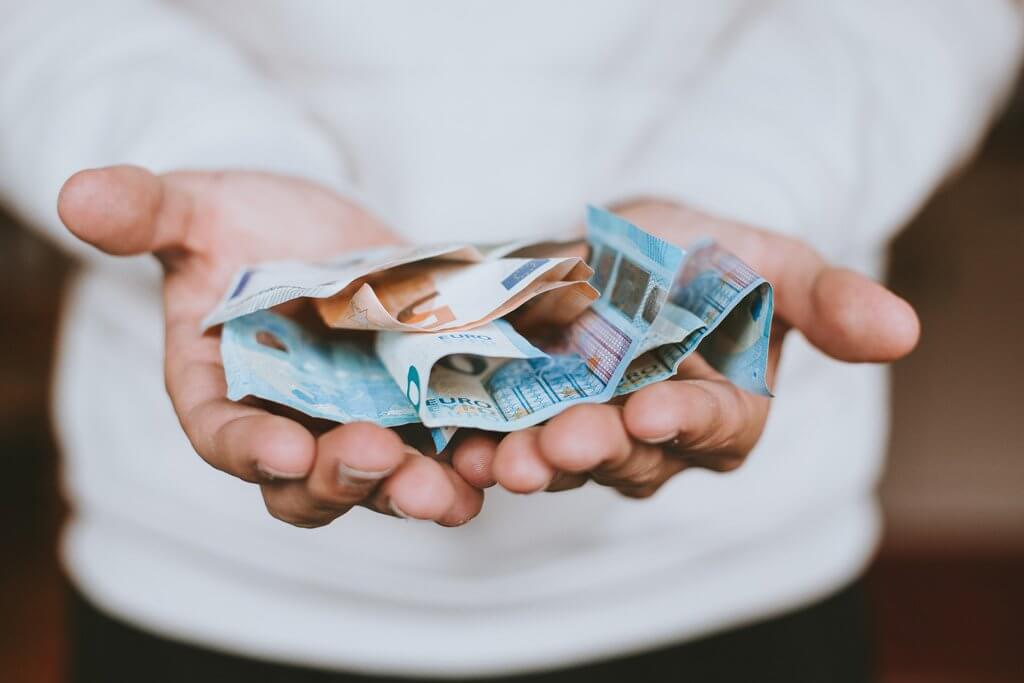
When swiping your debit or credit card to make a purchase, you may be asked if you’d like to pay in US dollars or in Euros. Always pick Euros, or you may unknowingly be charged an additional 3-5% for the “convenience” of having your purchase converted from euros to dollars.
26- Don’t Let Your Card Out of Your Sight
While Americans routinely slip their cards in bill portfolios that waiters whisk away to run at a register elsewhere in the restaurant, that doesn’t happen in Europe. The wait staff will always bring a portable reader to your table to settle up with you.
27- Carry Enough Cash
While just about every business in America, including some vending machines, accept debit and credit cards, some small businesses and eateries in Paris may have a €10-15 minimum.
To increase your motivation to carry at least a small amount of cash with you when visiting Paris, know that it’s usually not free to pee. That’s right. You may need to pay a small fee, either via a coin-operated entry door or to a restroom hostess, to use the restroom in Europe.
Tip: The first Euro bill is a €5. Everything else is in coin form, so you may want to take a small coin purse along, even the men.
Random Stuff That Will Surprise You
28- 24 Hours in a Day
Europeans use 24-hour time rather than AM and PM. Additionally, it’s typically written with the hour, the local language abbreviation for an hour, and the minutes. So what would be 4:24 pm here in Kansas City would be written as 16h24 in Paris. While it does take some getting used to, it’s simple to convert any afternoon time to PM by simply subtracting 12.
29- It’s a Date
In addition to using 24-hour time, dates follow a Day/Month/Year format in France rather than the Month/Day/Year format used most commonly in America.
30- Eight Days a Week
Unlike American calendars that start on Sunday and end on Saturday, French calendars typically start on Monday (Lundi) and end on Sunday (Dimanche).
31- A Logical Measurement System
Farewell confusing, archaic imperial measurement system based upon a dead king’s appendages. And hello, brilliantly logical metric system! Prepare for temperatures in Celsius (not Fahrenheit), distances in kilometers (not miles), and one of those 365+ kinds of fromage weighed in kilos (not pounds).
32- Breathe Easy
Not only do the French consume more cigarettes per person than in the US, but also they are allowed to smoke in places not commonly allowed in the US.
As is widely the case across America, it is forbidden to smoke inside public places. But you should anticipate that you will encounter more cigarette smoke on patios, terraces, and in other public places than in the US.
Febreeze does a good job of reducing the lingering, second-hand smoke smell from the items you plan on wearing more than once – like pants, sweaters, and jackets. Bring it from home as you can’t find it in Paris.


33- Making New Friends
Beyond France, most Europeans think Americans are super friendly. Maybe too friendly. If the situation feels right, don’t be shy about speaking to others.
I made a new friend on the train between Paris and Normandy by striking up a conversation with the woman sitting across from me when she asked about my Dentyne gum. Nearly five years later, we still exchange Christmas cards. (Yes, I always include a packet of Dentyne gum).
However, don’t be like my middle-aged, first-time abroad co-worker who aggressively approached everyone he could – cab drivers, restaurant hostesses, train ticket agents – with a recurring soliloquy about where he was from, how wonderful America was, and how his great, great grandparents immigrated to the US from Croatia.
Coming Home

34- Perishable Items
At some point, your first trip to Paris will come to an end. When that time comes, you’ll have to be sure you’ve fully consumed any perishable items that you carried on or received during your flight. This includes everything from fresh fruit to that one last amazing croissant.
35- Liquid Refreshment
If your initial destination in the US is not your final destination, be wise about purchasing wine, beer, spirits, perfume, or other liquids in the duty-free shop at the airport or on the plane.
If you are transferring to another flight within the US, you’ll have to collect your luggage and will want to immediately place these items in your checked baggage before sending them to your final destination. Otherwise, when you go back through security (yes, even though you don’t really leave the secure area), they will be confiscated. And nobody wants to see a beloved Bordeaux handed over to an airport security officer…
Tip: Want to ensure your wine makes it home? Click here for our guide to the best wine tote bags and wine suitcases specially designed for travel.
36- One Last Gift from France
Before traveling home, you may be eligible for a tax refund on purchases made in France. To qualify for a VAT refund, you must meet four additional conditions:
- be at least 16 years old
- have paid at least €100 including tax for these personal purchases, over a period of 3 consecutive days (or the same brand if the shops are located in the same town)
- have been in France for less than 6 months
- be carrying these goods yourself in your personal luggage.
Here’s everything you need to know about getting a tax refund at Paris airports, including where to find the VAT refund desks at Paris Charles de Gaulle and Paris Orly.
37- When Visiting Paris for the First Time, Savor Every Moment
Whether you have a day, a week, or a month to explore Paris, you will not win a gold medal for rushing through your experiences. So slow down and savor every moment. It’s exactly what the French would do!

 Sage @ Everyday Wanderer Sage @ Everyday Wanderer After growing up living all over the United States and Europe, Sage Scott writes her travel blog from America’s Heartland in Kansas City. From the midwestern city affectionately called the Paris of the Plains, she shares her travel experiences and provides helpful travel tips on her blog. Feeling social? Follow Everyday Wanderer on Facebook, and on Pinterest. |
Pin it now & read it later